October 28, 2026
The Art of Music Composition for Ads: Crafting Sound That Sells
By @musiccompositionadsway
For years I worked as an audio engineer in a cramped studio in Los Angeles, cutting my teeth on everything from Foley for indie films to voiceover sessions for local radio spots. The work that taught me the most, though, was commercial music. There is a specific discipline to music composition for ads that separates it from writing a song for an album or scoring a feature film. It demands clarity under constraint, and it rewards a deep understanding of brand identity.
Early in my career, I landed a session for a beverage company that wanted a thirty-second spot. The brief came in vague: "something energetic but not aggressive, with a hint of nostalgia." I opened Ableton Live, reached for a synth pad that felt warm and round, and built a simple loop. The mix engineer listened once and said, "It sounds like a song. It does not sound like an ad." He was right. The piece had no focus, no arc, no room for the voiceover to land. I had approached it like a composition for its own sake, not as a partner to a visual message.
That lesson stuck. Real music composition for ads is about service. Every note, every pause, every frequency range must leave space for the product or the narrative. The best commercial music feels inevitable. You hear it and think, of course that is what the brand sounds like. But getting there takes more than inspiration. It takes craft, negotiation, and a willingness to kill your darlings.
Understanding the Brief Before You Touch a DAW
The first step in any commercial project is understanding what the brand needs. A luxury watch company will not want the same sonic palette as a fast-food chain. That sounds obvious, but I have watched talented composers miss the mark because they ignored brand identity. If the brand is built on reliability and craftsmanship, your music should reflect steadiness and precision. If it is youthful and disruptive, your rhythmic choices should push against expectation.
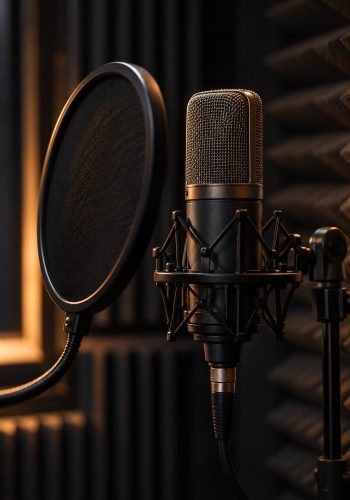
Before I open Pro Tools or Logic Pro, I ask for references. Not just music references, but the brand's visual style guide, past commercials, and any voiceover scripts. I want to know the target audience, the platform (Spotify vs. broadcast TV vs. social media), and the emotional arc the director wants. A thirty-second spot on Instagram has a different attention curve than a sixty-second broadcast spot. The composition must match that.
Tools of the Trade
Most composers I know in Hollywood work primarily in a DAW, and the holy trinity remains Pro Tools, Logic Pro, and Ableton Live. Each has strengths. Pro Tools excels at editing and post-production workflows. Logic Pro has a massive library of virtual instruments and a clean interface. Ableton Live is unmatched for sketching rhythmic ideas and electronic textures. I use all three depending on the phase of the project. For a recent car commercial, I started in Ableton Live to build a pulsing synth pad and a groove, then moved into Pro Tools to align the arrangement with the picture in Final Cut Pro.
A good mix engineer becomes your best ally. They understand how to balance the commercial music against the voiceover and sound design. If the Foley team has layered in car doors, engine hum, and ambient city noise, your composition cannot fight for the same frequency space. That is where experience matters. You learn to compose around the other elements, not on top of them.
From Jingle to Full Composition
The advertising jingle is not dead, but it has evolved. Decades ago, a catchy melody with a brand name sung over it was the standard. Now, music composition for ads often borrows from cinematic scoring. A thirty-second spot might open with a single microphone recording a cello, then build into a full arrangement as the story progresses. The goal is the same: make the audience feel something that transfers to the product.
Royalty-free music has flooded the market, and it is tempting for small brands on tight budgets. But there is a reason major campaigns still commission original compositions. Royalty-free tracks are generic by design. They cannot adapt to the specific timing, emotion, or brand identity of a spot. A custom composition breathes with the edit. It hits the beat when the product appears. It swells exactly when the voiceover lands its punchline. That level of synchronization is impossible with pre-made stock music.
Music licensing also plays a role. If you are composing for a national campaign, you need a clear agreement on usage. Is the music for broadcast only, or does it extend to digital, social, and out-of-home? I have seen composers lose thousands of dollars because they did not negotiate licensing terms upfront. Always get it in writing.
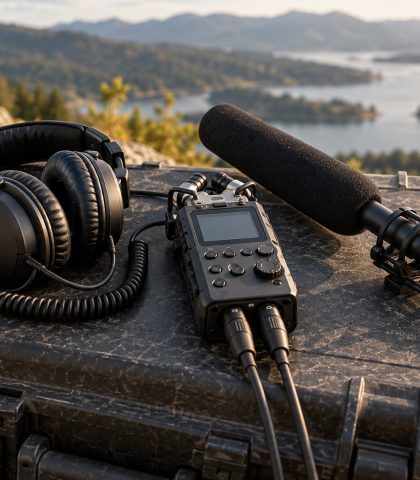
Practical Workflow for a Commercial Spot
Here is a condensed version of my typical workflow for a thirty-second commercial:
- Analyze the rough cut in Final Cut Pro or the editing software of choice. Note tempo changes, story beats, and where the voiceover sits.
- Sketch two or three distinct musical directions in Ableton Live or Logic Pro. Keep them short and modular. The director and client will likely want to hear options.
- Once a direction is chosen, refine the arrangement. Ensure the strongest melodic or rhythmic moment aligns with the product reveal or the key visual.
- Send the track to the mix engineer along with stems (separated by instrument group). This allows them to balance levels against the sound design and Foley.
- Attend the final mix session. Listen on multiple systems: studio monitors, headphones, a car speaker, a phone. The spot must translate everywhere.
Every step involves collaboration. The audio engineer, the director, the brand manager, and the composer all have a hand in the final sound. The best results come when everyone understands the shared goal: a piece of music that feels like it belongs to that brand and no other.
The Human Element
No amount of software can replace judgment. I have used every version of Pro Tools since the early 2000s, and I still rely on instinct more than presets. A synth pad that sounds beautiful in isolation can muddy a mix when the voiceover comes in. A bass line that grooves on its own may clash with the Foley of footsteps. You learn to hear the whole picture, not just your part.
Los Angeles remains a hub for this kind of work. The concentration of post-production studios, ad agencies, and film editors means you are always a few blocks from a collaboration. I once walked into a session where the composer had written a beautiful piano piece, but the director wanted it darker. We swapped the piano for a detuned electric guitar, added a subtle synth pad underneath, and suddenly the spot had the tension it needed. That kind of pivot happens fast when everyone is in the same room.
Music composition for ads is not about making art for art's sake. It is about making art that serves a purpose. That purpose might be selling a product, but more often it is about telling a story in thirty seconds. The best composers understand that constraint is not a limitation. It is a framework. Within that framework, you can still surprise, move, and delight an audience. That is the craft.
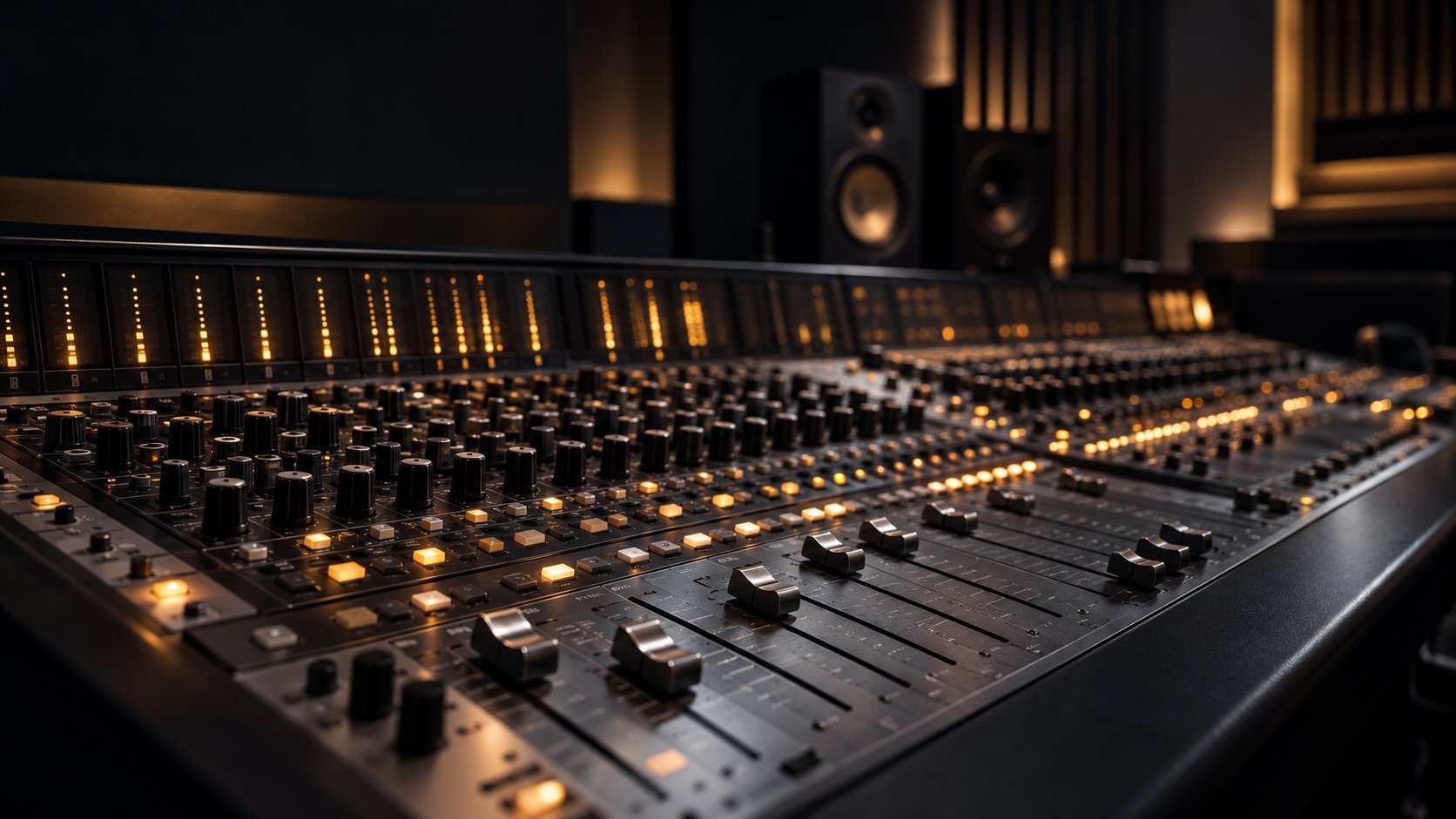
If you are starting out, spend less time worrying about which DAW to use and more time listening to commercials. Study how the music interacts with the voiceover. Notice when the sound design takes over and when the music pulls back. Practice composing to a locked picture. Cut your own Foley. Record your own microphone samples. The more you understand every part of the process, the more effective your compositions will be.
In the end, the difference between a forgettable ad and a memorable one often comes down to the music. A well-crafted composition can make you cry over a car commercial. It can make you laugh at a fast-food spot. It can make you trust a brand you have never tried. That is the power of this work, and it is why I still love walking into a studio every day.
❧